|
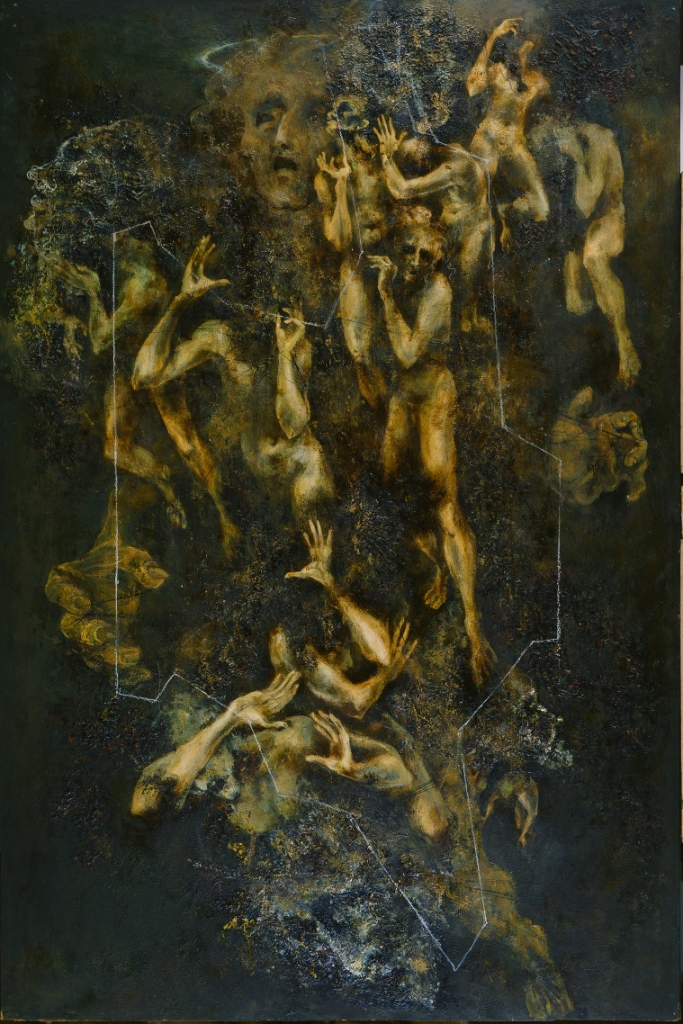
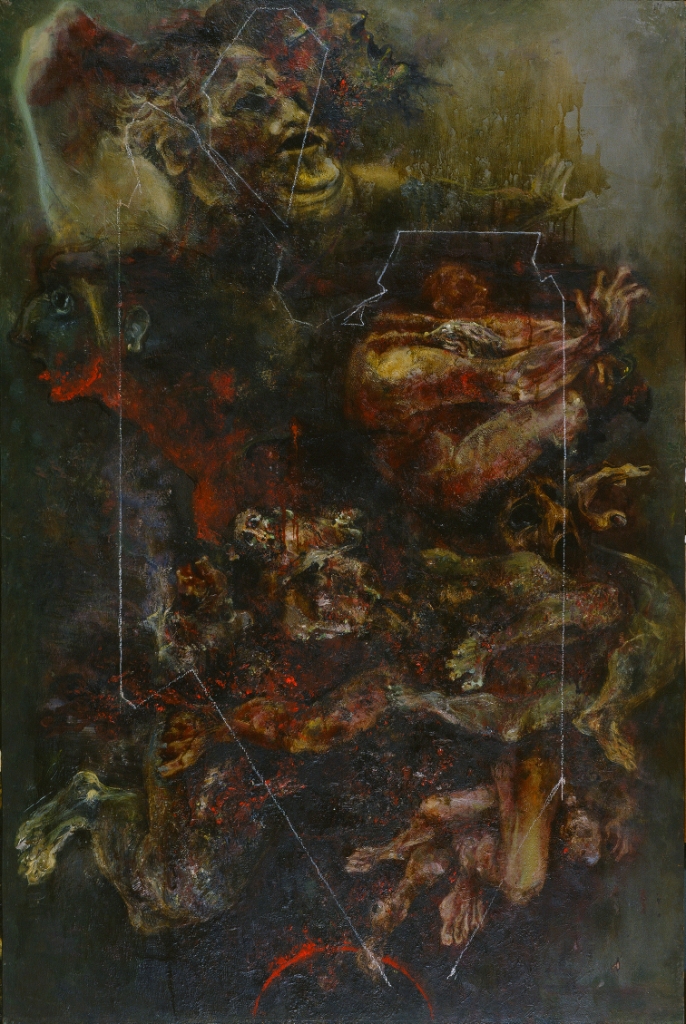
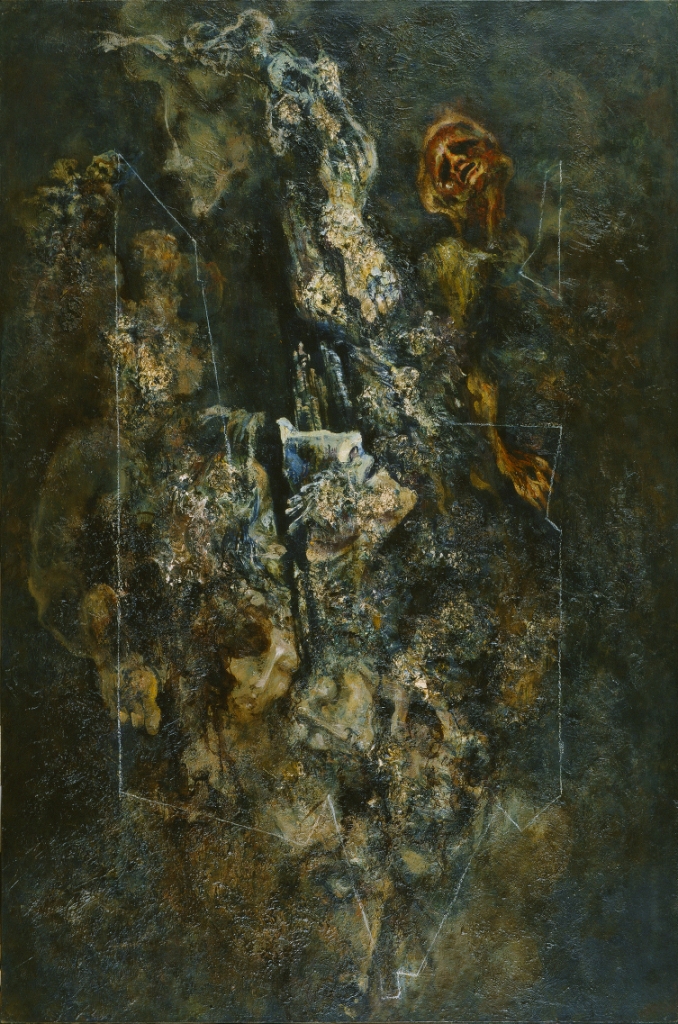
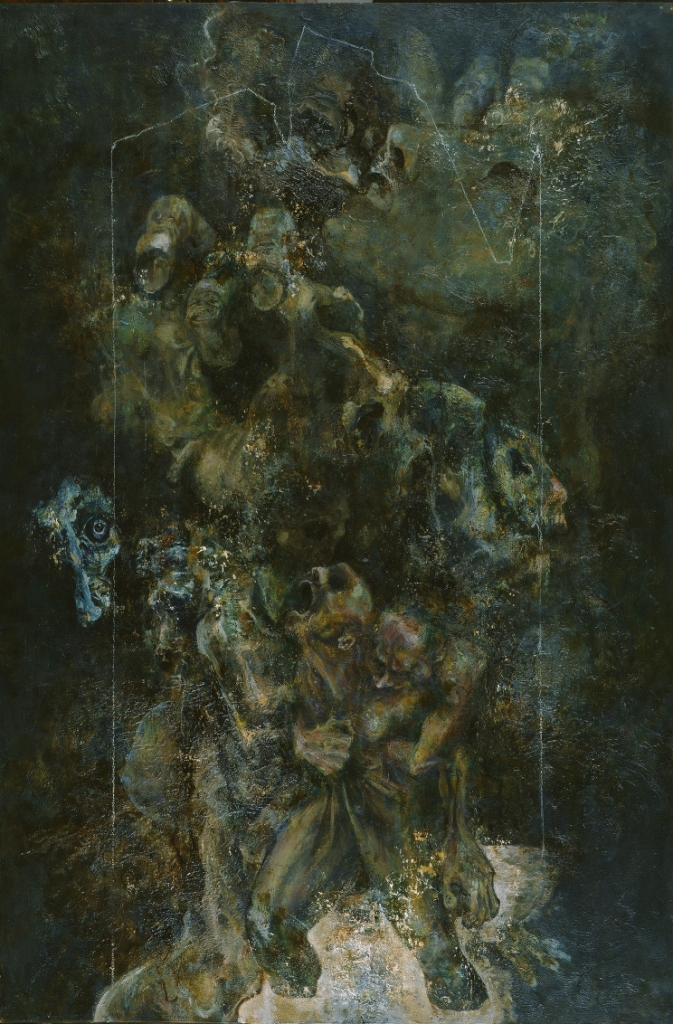
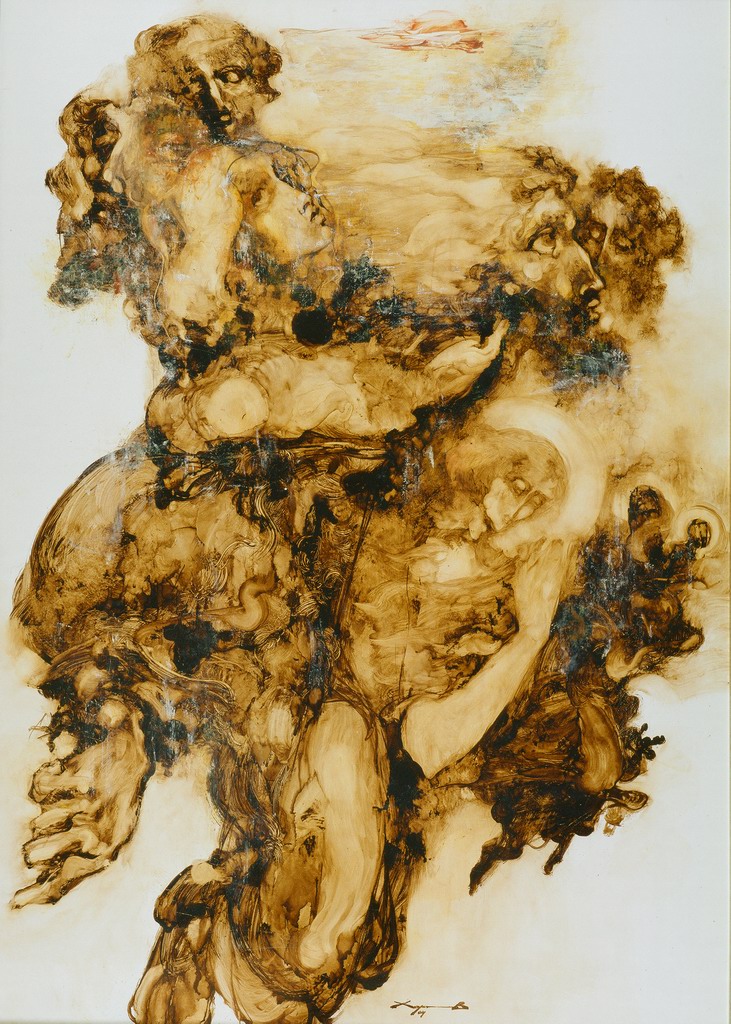
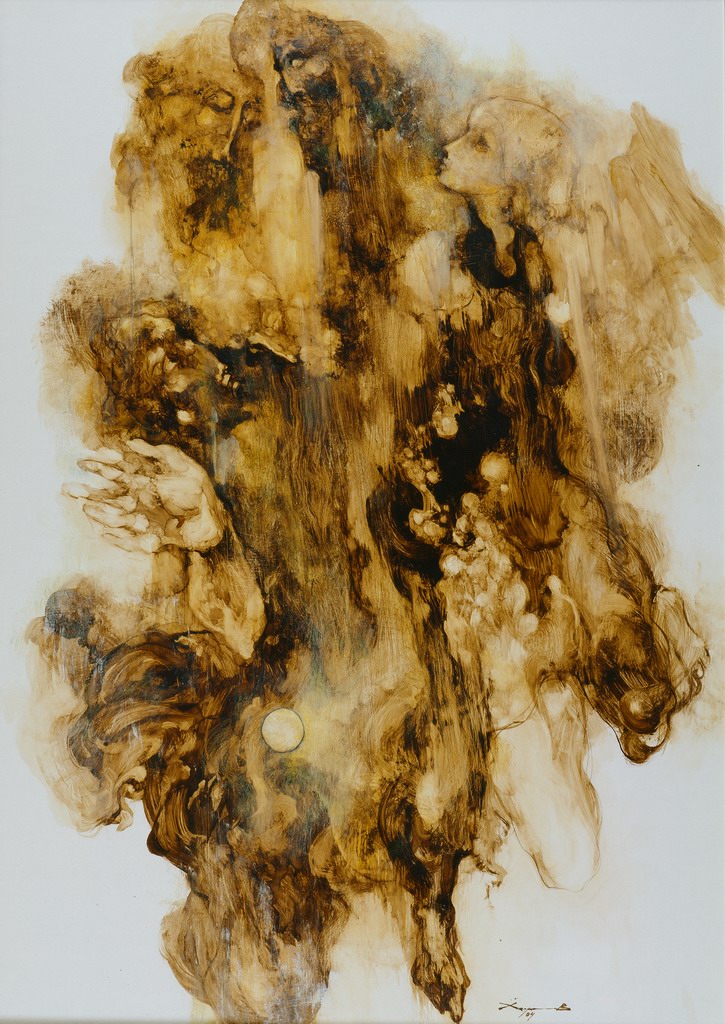
Поэтические мистерии Данте
не отъединены от земного бытия рекой забвения, но явлены в
космическом зеркале будущих посмертных проявлений как в образах
уплотненной материи греха (Ад), так и в светоносной гармонии
праведности (Рай). Их сакральная мощь состоит в том, что фоном для
них на всем пространстве поэмы остается дарованная человеку Законом
Неба свобода, что уже на земле готовит ему ту приближенность или
удаленность от Бога, которая потом, возведенная в степень возмездия
(или воздаяния) будет императивно продолжена для него в вечности.
Причинно-следственная связь симфонирует теологические концепции Данте, куда
православное сознание неизбежно вносит одну, но существенную ноту — многомилостивости Божьей, исключающей Чистилище
как область искупительного действия, ибо там, где уже упразднена
свобода, там нет и действия, но все снова возвращено Творцу и
передано Его милосердию и любви.
Следование космогоническому
построению Поэмы — это дать ее образной силе и мистическому опыту
одного из самых великих и возвышенных страстотерпцев
человечества. |
|
|
 |
| |
Dante’s
poetical mysteries are not separated from the earthly existence by
the river of oblivion, they appear in a cosmic mirror of future
posthumous manifestations in the images of the condensed matter of
sin (Hell) and also in a radiant harmony of righteousness
(Paradise). Their sacral power is in that thing that during the
whole poem, the freedom given to man by the Law of Heaven remains
their background. And here, on the earth, this freedom prepares
either his approaching or moving away from God, which, raised to the
power of retribution (or reward), afterwards will imperatively
continue for him in eternity. The connection between cause and
effect symphonizes Dante’s theological conceptions, where the
Orthodox consciousness inevitably brings one more important note,
that is of God’s multi-mercifulness, which eliminates Purgatory as
the sphere of a redemptive action, because there is no action if
freedom has been abolished; and everything has been returned to the
Creator and committed to His mercy and love.
To follow the
cosmogonic structure of the Poem means to appreciate its figurative
power and mystical experience of one of the greatest and elevated
sufferers of mankind. |
|